
Choosing the right spinning reel size is one of the most important decisions you'll make when building a fishing outfit. While rod power, fishing line, and lure selection all play a role in your success on the water, selecting the proper reel size ensures your equipment is balanced, comfortable to fish with, and capable of handling the species you're targeting.
Spinning reels are available in a wide range of sizes, typically starting around 1000 and increasing to 10000 or larger. Although these numbers aren't standardized across every manufacturer, they provide an excellent indication of a reel's intended use, including its line capacity, drag performance, spool size, and overall weight.
Understanding what these numbers mean—and why bigger isn't always better—will help you choose a reel that performs efficiently without carrying unnecessary weight or sacrificing casting performance.
What Do Spinning Reel Sizes Mean?
Unlike measurements expressed in inches or millimeters, spinning reel sizes are simply model designations used to indicate the relative size of a reel. A 3000-size reel is generally larger than a 2500-size reel, while a 5000-size reel is larger than a 4000.
Although manufacturers such as Daiwa, Shimano, Okuma, Penn, and others all use similar numbering systems, there is no universal standard. One company's 2500-size reel may be slightly smaller or larger than another manufacturer's 2500, but they'll typically fall into the same general performance category. Instead of focusing solely on the number, compare specifications such as:
- Reel weight
- Line capacity
- Maximum drag
- Gear ratio
- Inches of line retrieved per turn
- Recommended line size
These specifications provide a much better indication of how the reel will perform in real-world fishing situations.
Why Reel Size Matters
Many beginning anglers assume that a larger spinning reel is automatically better because it holds more line and has a stronger drag system. In reality, the best reel is the one that's properly matched to your rod, fishing line, and target species.
Using a reel that's too large adds unnecessary weight to your setup, reducing comfort and making finesse presentations more difficult. On the other hand, choosing a reel that's too small may leave you with insufficient drag pressure or line capacity when fighting larger fish.
For most anglers, balance and comfort are every bit as important as raw power. A properly sized spinning reel provides:
- Better balance with your fishing rod
- Improved casting distance
- Reduced angler fatigue
- Appropriate line capacity
- Smooth drag performance
- Better lure control and sensitivity
Understanding Drag and Reel Size
One of the biggest differences between reel sizes is the amount of drag they can produce.
The drag system controls how much resistance a fish feels when pulling line from the spool. Smaller reels generally produce less maximum drag because they're intended for smaller fish using lighter fishing line.
For example:
- 1000-size reels often provide around 5 to 10 pounds of maximum drag.
- 2500 to 3000 reels commonly offer 15 to 20 pounds of drag.
- 4000 to 5000 reels frequently produce 20 to 30 pounds or more.
- Larger offshore reels may exceed 40 pounds of drag.
More drag isn't necessarily an advantage if you'll never use it. A bluegill, crappie, or stocked trout simply isn't capable of pulling enough force to require a 30-pound drag system.
Instead, choose a reel with enough drag for the fish you're targeting while matching the strength of your fishing line. For example, if you're using 6-pound test monofilament, a reel capable of producing 25 pounds of drag provides no practical benefit because your line will fail long before the drag reaches its maximum setting.
To read more about how drag on a fishing reel works, check out our guide: What is drag on a fishing reel?
Line Capacity Increases with Reel Size
Larger reels also hold considerably more fishing line. Small freshwater reels are designed to carry relatively light monofilament, fluorocarbon, or braided line because most freshwater fish simply don't make long runs.
Large saltwater fish are another story. Species such as tuna, king mackerel, tarpon, striped bass, sharks, and large catfish may peel hundreds of yards of line from a reel during a fight. Larger spools allow anglers to use heavier line while still maintaining enough capacity to safely land these powerful fish. A larger spool also reduces line memory and can improve casting distance, particularly when using heavier fishing line.
Let's take a look at a pair of spinning reels. Below is a photo of a Daiwa DF18000 spinning reel and a Daiwa Crossfire 2000 spinning reel side-by-side.
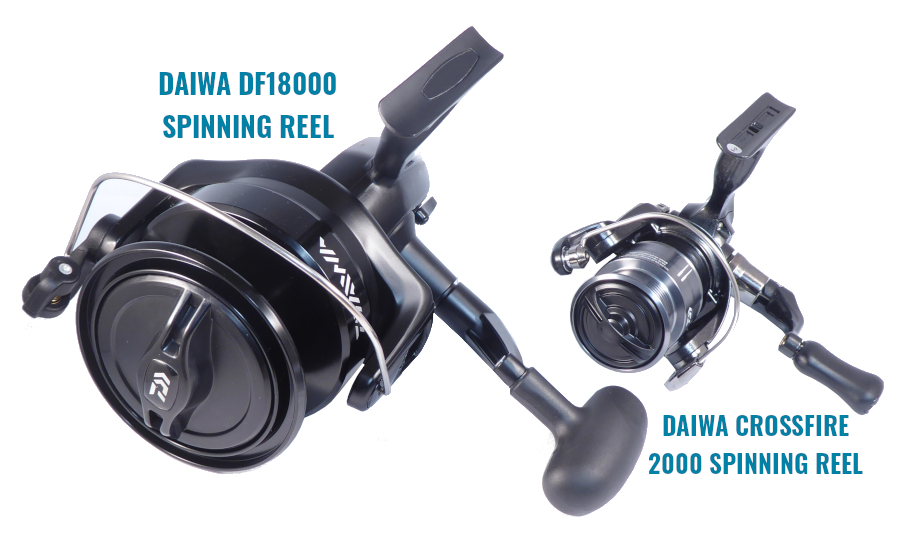
This is not an optical illusion, or a photography trick. The background has been removed, but these two reels were placed next to each other for this photo.
The Daiwa Crossfire 2000 spinning reel is one that you might use on any lake or river, fishing for panfish, trout, or smallmouth bass. It will hold almost 100 yards of 6 pound monofilament line, and has 11 pounds of drag, making it perfectly capable of landing most fish you'd encounter on any given day of freshwater fishing.
On the other hand, the DF18000 is one of the largest spinning reels available, designed to wrestle large saltwater fish out of the water and onto the beach. Its spool will hold over 500 yards of 30 pound monofilament, and it has 33 pounds of drag for fighting big saltwater species that like to run.
Both of these reels are spinning reels, and both are designed for different types of fishing. This demonstrates the vast difference in spinning reel sizes when you compare the two extremes.
Common Spinning Reel Sizes
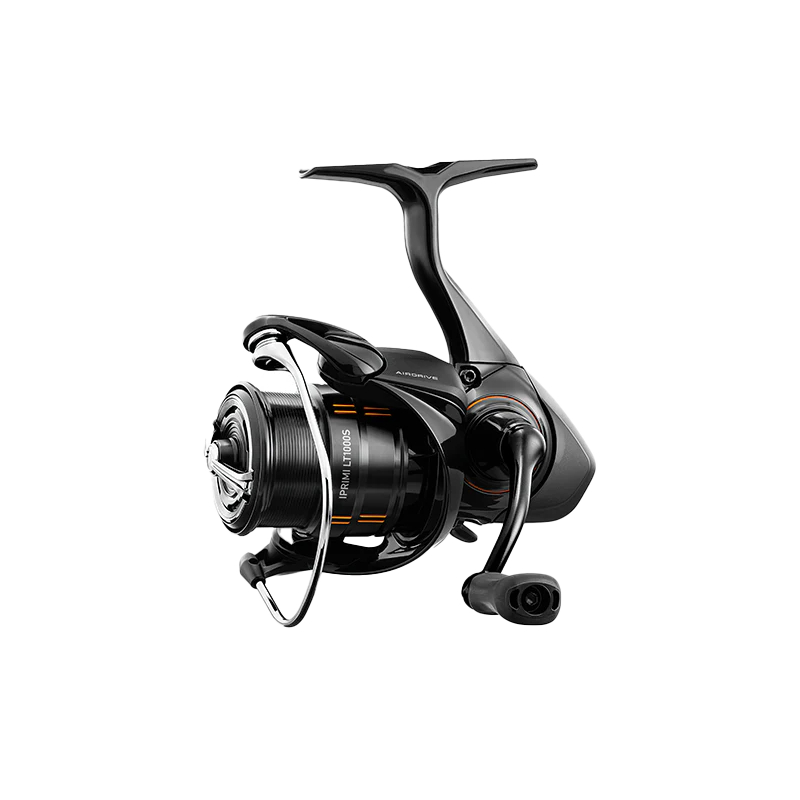 1000 Size
The smallest spinning reels are designed for ultralight fishing. These reels perform best with light line and ultralight rods when casting tiny jigs, live bait, or small inline spinners. Best suited for:
- Panfish
- Crappie
- Bluegill
- Trout
- Ice fishing
2000 Size
A slight step up in capacity and power. Many anglers consider the 2000 size an excellent finesse reel. Ideal for:
- Trout
- Perch
- Crappie
- Light bass fishing
- River fishing
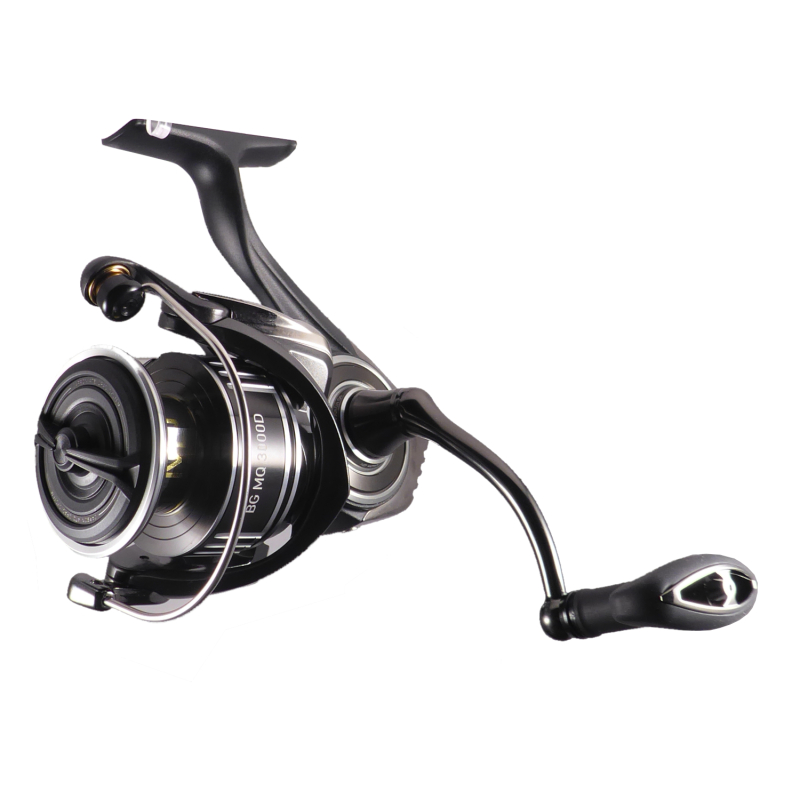 2500–3000 Size
These are the workhorses of freshwater fishing. If you're purchasing your first spinning reel and want one setup capable of handling a wide variety of species, this is often the best place to start. Perfect for:
- Largemouth bass
- Smallmouth bass
- Walleye
- Channel catfish
- Freshwater drum
- Light inshore saltwater fishing
4000–5000 Size
These reels bridge the gap between freshwater and saltwater fishing. The larger spool and stronger drag provide plenty of power while remaining manageable for all-day fishing. Excellent for:
- Northern pike
- Salmon
- Steelhead
- Redfish
- Snook
- Striped bass
- Heavy catfish
6000 Size and Larger
Heavy-duty spinning reels are designed for serious fish. These reels emphasize durability, line capacity, and drag performance over lightweight construction. Typical applications include:
- Surf fishing
- Offshore trolling
- Shark fishing
- Tuna
- Large tarpon
- Big game saltwater fishing
Matching Reel Size to Rod Power
One mistake many anglers make is purchasing their rod and reel independently without considering how they'll work together. A properly balanced outfit simply feels better in your hands and performs more efficiently. As a general guide:
| Reel Size | Recommended Rod Power |
|---|---|
| 1000 | Ultra Light or Light |
| 2000 | Light or Medium Light |
| 2500 | Medium Light or Medium |
| 3000 | Medium |
| 4000 | Medium Heavy |
| 5000 | Medium Heavy or Heavy |
| 6000+ | Heavy or Extra Heavy |
Rod length should also increase as reel size increases. Longer rods typically provide better casting distance and leverage for fighting larger fish. If you'd like to learn more about selecting the right rod, see our guide on Fishing Rod Power, Action, and Length Explained.
Freshwater vs. Saltwater Reel Sizes
Freshwater anglers rarely need enormous spinning reels. For bass, walleye, trout, and panfish, reels between 2000 and 3000 cover nearly every situation. Saltwater fishing often requires larger reels because fish tend to:
- Fight harder
- Make longer runs
- Require heavier line
- Live in deeper water
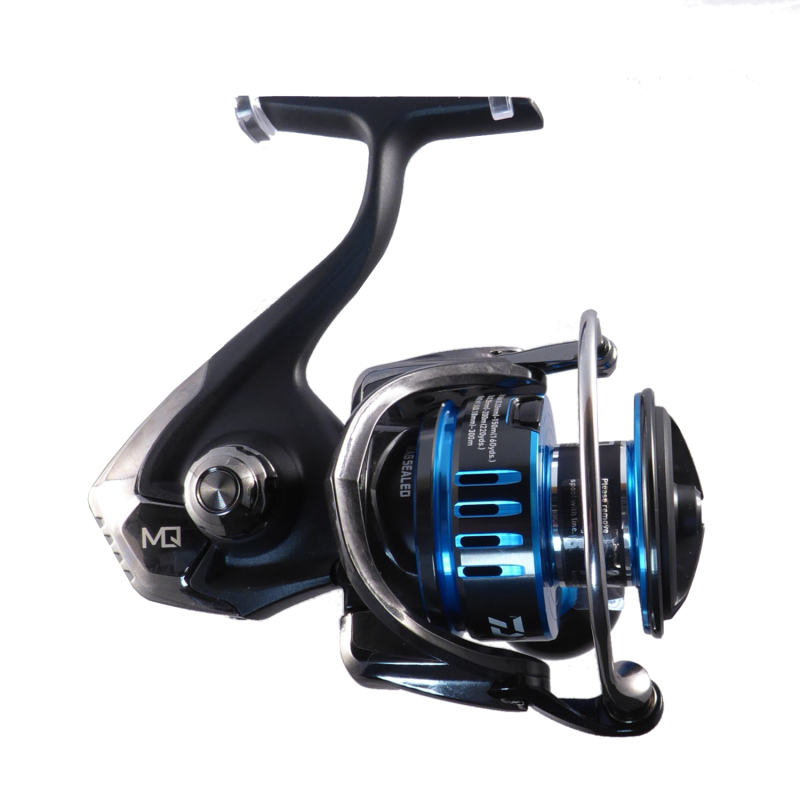 For many inshore saltwater anglers, a 3000 or 4000-size spinning reel offers an excellent balance of power and comfort. Surf anglers and offshore fishermen frequently move into the 5000 to 10000 size range for increased line capacity and drag.
What Size Spinning Reel Do I Need?
The answer depends entirely on how and where you fish. Ask yourself these questions before purchasing a reel:
- What species am I targeting?
- How large do those fish typically grow?
- What pound-test fishing line will I be using?
- Will I be fishing freshwater or saltwater?
- How much line could a hooked fish realistically take?
Your answers will quickly narrow the appropriate reel size. For example, if you're targeting bluegill from a small pond, a lightweight 1000-size reel is ideal. If you're fishing for largemouth bass in reservoirs, a versatile 2500 or 3000-size reel is hard to beat. If you're casting heavy plugs from the beach for striped bass or bull redfish, a 5000-size reel or larger becomes a much better choice.
Build a Balanced Fishing Outfit
While reel size is important, it's only one part of your fishing setup. The best-performing outfits balance reel size, rod power, fishing line, lure weight, and target species. Choosing equipment that complements itself will improve casting distance, increase sensitivity, reduce fatigue, and give you greater confidence every time you head to the water.
For most freshwater anglers, a 2500 or 3000-size spinning reel paired with a medium-power spinning rod remains one of the most versatile combinations available. It offers enough power for bass and walleye while remaining light enough for all-day fishing, making it an excellent choice for anglers who want one outfit capable of handling a wide variety of situations.
Whether you're chasing panfish in a farm pond or casting into the surf for hard-fighting saltwater species, selecting the proper spinning reel size is the first step toward building an outfit that performs exactly as intended.