
One of the most important features of any fishing reel is the drag system. Whether you're using a spinning reel, baitcasting reel, conventional reel, or fly reel, the drag plays a critical role in fighting fish and preventing broken line.
Many new anglers focus on reel size, gear ratio, or ball bearings when shopping for a new reel, but learning how to properly use the drag system will have a far greater impact on your success. Even an expensive reel cannot compensate for an improperly adjusted drag.
Understanding what drag does, how it works, and when to adjust it will help you land more fish while protecting your fishing line, rod, and reel from unnecessary stress.
What Is Fishing Reel Drag?
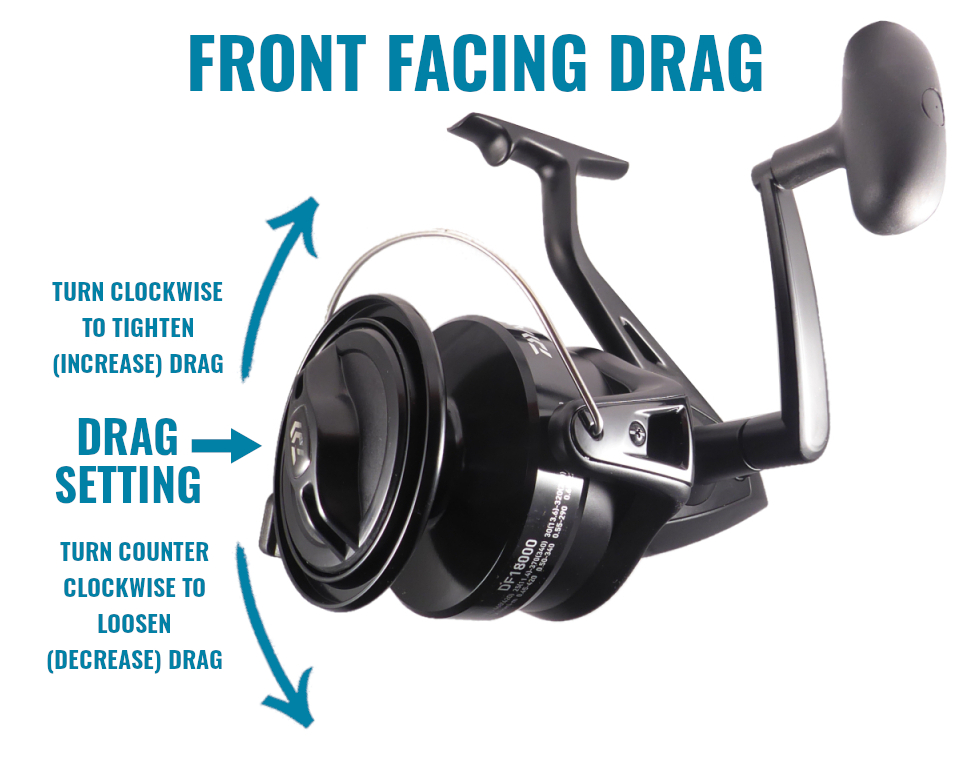 The drag on a fishing reel is a mechanical braking system that controls how much resistance a fish encounters when pulling fishing line from the spool.
Instead of locking the spool completely, the drag allows the spool to rotate once enough pressure is applied. This controlled release of line prevents sudden surges from breaking your line while allowing you to maintain steady pressure on the fish.
When anglers talk about "setting the drag," they're referring to adjusting the amount of force required before line begins leaving the reel.
Simply put:
- Tightening the drag increases the force required to pull line from the spool.
- Loosening the drag decreases the force required to pull line from the spool.
Finding the correct balance between these two extremes is one of the keys to landing fish consistently.
How Does a Fishing Reel Drag Work?
Although spinning reels, baitcasting reels, and conventional reels look very different, their drag systems all operate on the same basic principle. Inside the reel is a series of friction washers, commonly called drag washers. These washers are compressed together when you tighten the drag adjustment. The more tightly the washers are compressed, the greater the friction they create. That friction resists the spool's rotation.
When a fish pulls harder than the drag setting, the friction is overcome and the spool begins turning, allowing fishing line to leave the reel smoothly instead of breaking.
A quality drag system should release line smoothly and consistently without sticking or jerking.
Why Is Drag Important?
Without a properly functioning drag system, fighting fish would be extremely difficult.
Imagine hooking a powerful fish with no drag at all. Every surge the fish makes would transfer directly into your fishing line, fishing rod, and reel. If the fish suddenly accelerated, the weakest component of your setup would likely fail. The drag system protects your equipment by acting as a controlled safety brake.
A properly adjusted drag provides three major benefits:
1. It Prevents Broken Fishing Line
This is the drag system's primary purpose. Every type of fishing line has a maximum breaking strength. Once the force applied exceeds that rating, the line snaps. By allowing the spool to release line before that breaking point is reached, the drag protects your line from sudden shock loads.
2. It Protects Your Rod and Reel
A large fish generates tremendous force. Without drag, every ounce of that force would be transferred directly into your fishing rod and reel. Proper drag settings reduce stress on your equipment while making fights much more manageable.
3. It Tires the Fish
Allowing a fish to pull line doesn't mean you're losing the battle. In fact, quite the opposite.
Every time a fish makes a powerful run against the drag system, it expends energy. Eventually those long runs become shorter. The fish begins to tire. As it weakens, you'll recover more line between each run until you're finally able to bring it close enough to land.
Understanding Drag with a Simple Example
Imagine you've filled your spinning reel with 50-pound braided fishing line. You set your drag extremely light, perhaps around 2 pounds. Now imagine hooking a powerful fish that pulls with approximately 5 pounds of force. Because the fish is pulling harder than the drag setting, the spool begins turning and line feeds smoothly from the reel.
The line doesn't break because the drag releases line before the force reaches the line's breaking strength. As the fight continues, you decide to increase your drag to approximately 15 pounds. Now the fish must work much harder to take additional line.
You begin recovering line as you reel. Eventually the fish makes another powerful run, but because the drag is now tighter, the run is much shorter. Each run requires the fish to work harder, causing it to fatigue much more quickly. Eventually the fish simply runs out of energy, allowing you to reel it close enough to land.
This illustrates why drag isn't simply an "on or off" setting—it's something anglers often adjust throughout a fight depending on the situation.
Never Exceed Your Line's Strength
One of the biggest mistakes beginning anglers make is tightening the drag too much. The drag should always remain below the breaking strength of your fishing line. For example:
- 6-pound line should never have 10 pounds of drag applied.
- 10-pound line shouldn't be fished with 15 pounds of drag.
- 20-pound line shouldn't require 30 pounds of drag.
If the drag exceeds your line's breaking strength and the fish pulls harder than the line can handle, the line will break before the drag has a chance to release additional line. This results in lost fish and lost tackle.
How Tight Should Your Drag Be?
A common guideline among anglers is to set your drag to roughly 25 to 30 percent of your fishing line's rated breaking strength. For example:
| Fishing Line | Approximate Drag Setting |
|---|---|
| 6 lb | 2 pounds |
| 8 lb | 2–3 pounds |
| 10 lb | 3 pounds |
| 15 lb | 4–5 pounds |
| 20 lb | 6 pounds |
| 30 lb | 8–10 pounds |
| 50 lb | 15 pounds |
These are starting points rather than strict rules. Experienced anglers often make small adjustments throughout the fight depending on:
- Fish species
- Water conditions
- Cover
- Hook type
- Fishing technique
Can You Adjust the Drag While Fighting a Fish?
Absolutely. Many experienced anglers adjust the drag during the fight.
For example, if a fish heads toward heavy weeds, docks, or submerged timber, you may tighten the drag slightly to keep it from reaching cover. Once the fish moves into open water, you may loosen the drag slightly to reduce stress on the line.
These adjustments should always be gradual. Suddenly cranking the drag down while a fish is making a hard run can easily result in a broken line.
Front Drag vs. Rear Drag
Many spinning reels are available with either a front drag or rear drag design.
Front Drag
The drag adjustment knob sits on top of the spool. Most modern spinning reels use front drag systems. Advantages include:
- Larger drag washers
- More maximum drag
- Better heat dissipation
- Greater durability
Rear Drag
The adjustment knob is located on the back of the reel body. Although less common today, rear-drag reels remain popular for casual freshwater fishing. Advantages include:
- Easier adjustments while fighting fish
- Convenient access
- Beginner-friendly operation
Signs Your Drag Needs Attention
Even the best drag systems require occasional maintenance. Smooth drag performance is one of the biggest differences between a quality fishing reel and a poorly maintained one. Your drag may need cleaning or servicing if you notice:
- Jerky line release
- Inconsistent pressure
- Line sticking before releasing
- Grinding noises
- Difficulty adjusting drag
- Water contamination inside the reel
Common Drag Mistakes
Many lost fish can be traced back to simple drag mistakes. Avoid these common errors:
- Setting the drag too tight before casting.
- Locking the drag completely.
- Forgetting to check the drag before each trip.
- Tightening the drag beyond the line's strength.
- Fighting every fish with maximum drag pressure.
- Not loosening the drag before storing your reel, which can compress the drag washers over time.
Final Thoughts
The drag system is one of the most important yet often misunderstood components of a fishing reel. It serves as a controlled braking system that protects your fishing line, rod, and reel while allowing fish to make powerful runs without immediately breaking your tackle.
Learning to use the drag correctly takes practice, but it quickly becomes second nature. Start with a conservative drag setting, let the fish run when necessary, and make gradual adjustments as the fight progresses. Remember that your goal isn't to stop every fish instantly—it's to maintain steady pressure while allowing the drag to absorb sudden bursts of power.
Whether you're fishing for bluegill with ultralight tackle, chasing largemouth bass from a kayak, or battling hard-fighting saltwater species, understanding your reel's drag system will help you land more fish and get the most from your equipment. A properly adjusted drag gives you confidence during every fight and is one of the most valuable tools any angler can learn to use.