

When will this item ship?
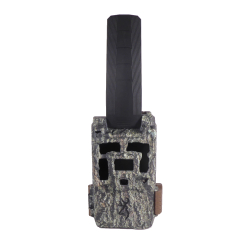
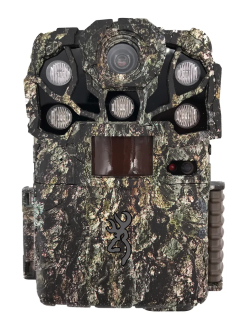
The Browning Defender Vision Pro LSF is a cellular trail camera designed for hunters who want to monitor their hunting property remotely while retaining control over how the camera captures nighttime images. Its standout feature is the ability to use both Low-Glow and No-Glow infrared illumination, giving hunters the flexibility to prioritize nighttime image illumination or maximum discretion depending on the location and conditions.
The Defender Vision Pro LSF captures 46 MP still images and 1080p Full HD video with sound. A fast trigger can respond in as little as 0.135 seconds, while an 80-foot detection range provides useful coverage for trails, food plots, field edges, and other areas where wildlife activity is expected.
Because this is a cellular trail camera, images and video can be accessed remotely through the Strike Force Wireless app. The camera uses pre-installed AT&T and Verizon SIM cards and can automatically select the carrier with the strongest available signal, making it particularly useful for hunters who operate cameras in areas where cellular coverage can vary.
The Defender Vision Pro LSF is designed to eliminate the need to physically visit the camera every time you want to check for new activity. Captured images and video can be transmitted through the cellular network, allowing hunters to monitor a property from home, work, or another location.
The camera uses both AT&T and Verizon SIM cards and automatically selects the strongest available network. This approach can be particularly useful on properties where one cellular carrier may provide better coverage than another.
Through the Strike Force Wireless app, users can remotely manage the camera and request photos or videos on demand. This makes the Defender Vision Pro LSF useful for hunters who want to check a particular location without waiting for the next scheduled image transmission.
For a broader explanation of the advantages and disadvantages of cellular cameras, see our Cellular vs. Non-Cellular Trail Cameras guide.
One of the most useful features of the Defender Vision Pro LSF is its ability to switch between Low-Glow and No-Glow infrared illumination. This gives the camera more flexibility than a trail camera permanently configured for one type of infrared flash.
Low-Glow IR can provide strong nighttime illumination while maintaining a relatively discreet appearance. No-Glow IR is designed to minimize visible infrared illumination and is a useful choice when keeping the camera as inconspicuous as possible is the priority.
The ability to choose between the two modes allows hunters to configure the camera according to the location. A camera overlooking an open food plot may benefit from different flash settings than one positioned close to a heavily traveled trail.
Our No-Glow vs. Low-Glow Trail Cameras guide will explain the differences between these infrared technologies and when each is most useful.
The Defender Vision Pro LSF uses Browning's Illuma-Smart technology to adjust infrared illumination based on conditions and subject distance. Automatic flash adjustment can help balance nighttime exposure when animals are at different distances from the camera.
This is particularly useful in locations where animals may pass through at varying distances rather than consistently triggering the camera at one predictable range.
The Defender Vision Pro LSF has a trigger speed as fast as 0.135 seconds. A fast trigger helps reduce the chance of an animal moving through the detection zone before the camera captures an image.
The camera provides an 80-foot detection range, making it suitable for common trail-camera applications including deer trails, funnels, field edges, food plots, mineral sites, and other areas where wildlife regularly passes through.
The camera also provides a 0.5-second recovery time between images and can capture multiple images in a burst, giving hunters additional opportunities to document animals moving through the detection zone.
Our Trail Camera Trigger Speed Explained guide will explain why trigger speed matters and why it should be considered together with detection range and recovery time.
The Defender Vision Pro LSF captures still images at up to 46 MP and records 1080p Full HD video with sound. This combination provides the flexibility to use still photography for routine monitoring and video when you want more information about an animal's movement and behavior.
Video can be configured for different clip lengths, allowing hunters to balance the amount of information captured against storage space and cellular data usage.
For cellular scouting, the ability to request additional images or video remotely is particularly useful. If an interesting deer appears in a transmitted photograph, for example, you can request additional footage without physically visiting the camera.
The Defender Vision Pro LSF can provide GPS-tagged images and camera information that helps put each photograph into context. Image information can include details such as the date, time, temperature, moon phase, barometric pressure, and camera identification.
These details can become increasingly useful when a camera is deployed for weeks or months and the resulting images are used to identify patterns in wildlife activity.
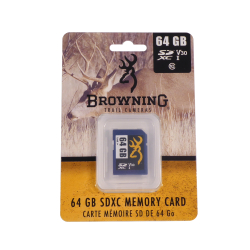
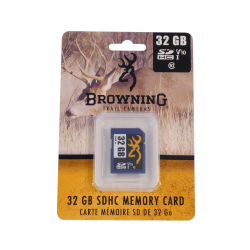
Cellular transmission does not eliminate the need for local storage. The Defender Vision Pro LSF supports SDXC memory cards up to 512GB, allowing the camera to retain locally stored photographs and videos in addition to transmitting selected files through its cellular connection.
This provides an additional record of activity and gives hunters more flexibility when configuring the camera for long-term deployment.
The Defender Vision Pro LSF is a strong choice for hunters who want the convenience of a cellular trail camera combined with flexible nighttime illumination. Its ability to switch between Low-Glow and No-Glow infrared makes it particularly versatile for hunters who deploy cameras in different environments or want more control over nighttime photography.
The camera is also well suited to remote properties where regularly checking an SD card is inconvenient. Cellular connectivity, remote camera controls, and on-demand photo and video requests allow hunters to spend less time traveling to their cameras while still keeping track of activity.
The Defender Vision Pro LSF occupies an interesting position in Browning's cellular lineup because it combines remote connectivity with selectable infrared flash technology. If you specifically want the flexibility of both Low-Glow and No-Glow illumination, this model is worth considering.
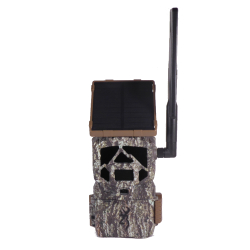
Hunters who want a cellular camera with integrated solar charging may prefer the Browning Defender Pro Scout Max HD Solar. On the other hand, hunters who do not need cellular connectivity can choose from Browning's conventional Recon Force, Spec Ops, Strike Force, Dark Ops, and Command Ops trail cameras.
We're building a growing library of trail camera guides to help hunters choose the right camera and get better results in the field. Relevant resources will include:
Specific References